
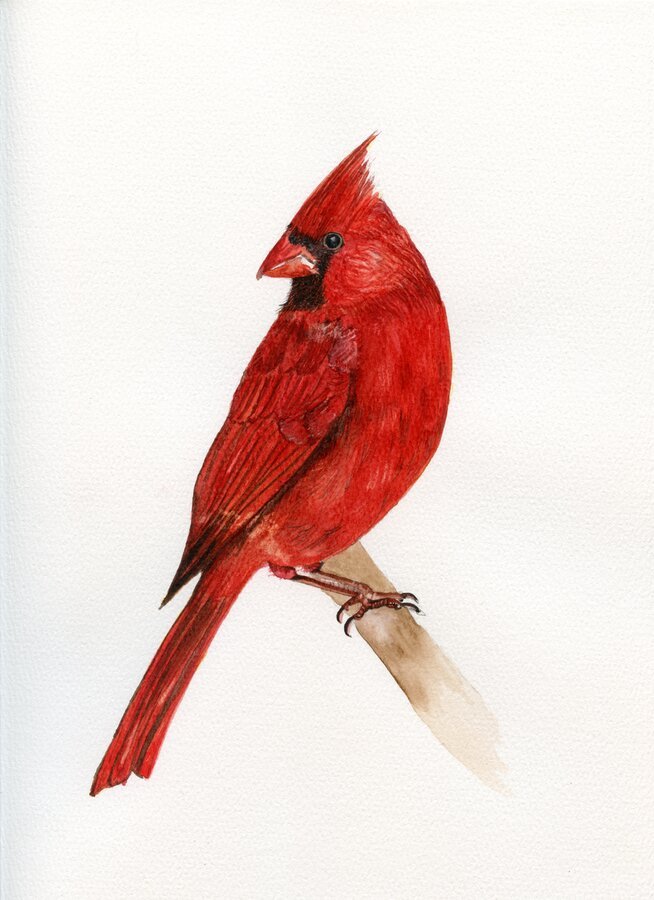
1. Choose the Right Frame
Framing is the single most important decision you'll make for your print's longevity. Always use a frame with UV-protective glass or acrylic, which blocks the ultraviolet light that causes fading over time. Standard glass blocks only about 45% of UV rays. Museum-quality UV glass blocks over 99%.
For prints up to 11×14, acrylic (plexiglass) is lighter and shatter-resistant, a good choice for children's rooms and hallways. For larger prints, glass gives a more premium appearance.
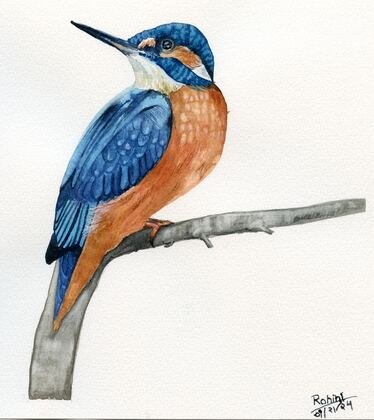
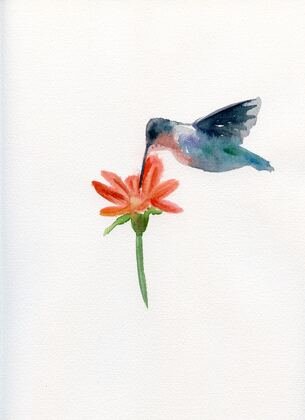
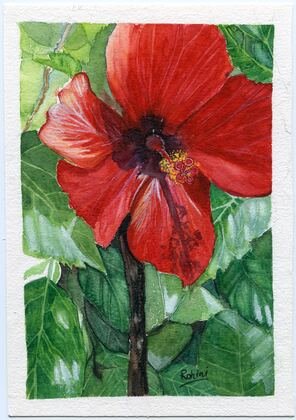
- Gold frame: best for warm-toned paintings like birds, sunsets, floral reds and oranges
- Black frame: clean and modern, works beautifully with bold, high-contrast paintings
- White or cream mat + black frame: the classic gallery look, adds perceived size to any print
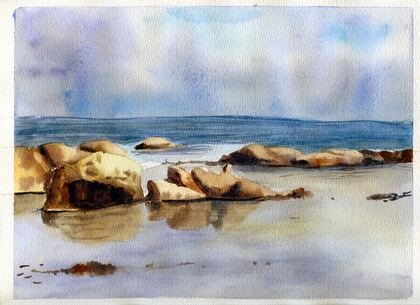
- Natural wood frame: perfect for landscapes, snow scenes, and farm paintings
2. Always Use a Mat
A mat (also called a mount or passepartout) creates a physical gap between the print surface and the glass. Without it, the print can stick to the glass over time, especially in humid climates. Use an acid-free mat board; regular cardboard mats yellow and eventually damage the paper they touch.
Standard mat sizes for my prints: a 5×7 print typically fits in an 8×10 frame with a mat. An 8×10 fits beautifully in an 11×14 frame. This "sizing up" trick makes any room feel like a gallery.
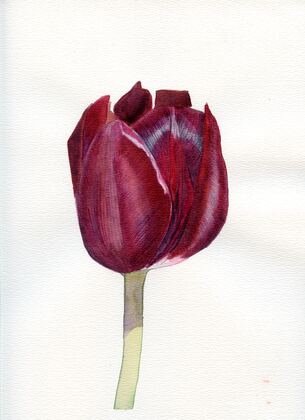
Rose, white mat, light walls
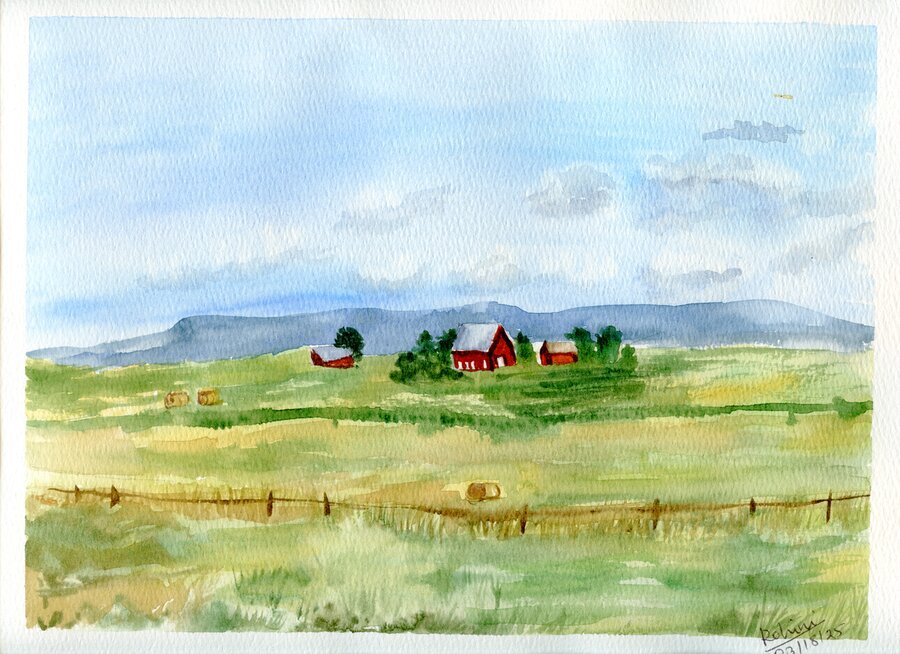
Red Barn Farm, walnut frame
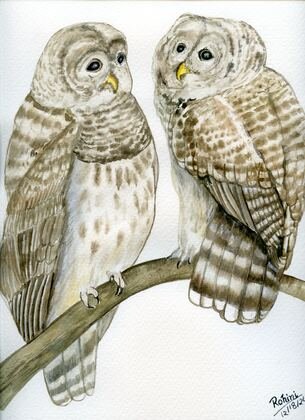
Two Owls, gold ornate frame
3. Light and Location
The enemy of any print, watercolor or photographic, is prolonged direct sunlight. Even UV-protective glass slows fading; it doesn't stop it entirely. Position your print where it receives indirect or ambient light rather than direct sun through a window.
The best walls: an interior wall opposite a window, or a hallway that gets reflected light. Avoid hanging prints directly above fireplaces or heating vents, as dry heat and smoke are harmful to paper over time.
- North-facing walls: ideal, soft, even indirect light all day
- East-facing walls: gentle morning sun, fine with UV glass
- West and south-facing: use UV glass, avoid direct sun exposure
4. Humidity and Temperature
Watercolor paper is hygroscopic and absorbs and releases moisture as humidity changes, which can cause it to wave or buckle inside the frame. The ideal environment is 40–60% relative humidity and a stable temperature between 60–75°F. Avoid bathrooms (high humidity) and garages (temperature extremes) for anything you want to keep long-term.
If you live in a humid climate, a silica gel packet placed at the back of the frame (behind the print backing) can help regulate moisture. Replace it every 6–12 months.
5. Cleaning and Handling
Dust glass with a soft, dry microfiber cloth. No sprays directly on the glass, as liquid can seep under the frame. Never touch the surface of an unframed print with bare hands; oils from your skin transfer to paper and cause spots over time. Handle prints by the edges or use cotton gloves.
If a print arrives with a slight curl from shipping, do not flatten it with heat. Lay it face-down on a clean, flat surface under a few large books overnight. The weight and time will relax it gently.
6. Shipping and Storage
All prints from my studio ship flat in rigid mailers (up to 11×14) or rolled in archival tubes (16×20). If you're storing unframed prints, keep them flat in an acid-free portfolio sleeve, away from light and moisture. Never store rolled prints for extended periods, as paper develops a memory and can be difficult to flatten later.
If you're moving house, remove prints from frames and wrap them individually in glassine (not plastic wrap, which traps moisture). Transport framed art face-up, secured so it can't slide or shift.
Quick Reference Summary
- Frame with UV-protective glass or acrylic
- Always use an acid-free mat
- Hang in indirect light, away from direct sun
- Keep in 40–60% humidity, stable temperature
- Clean glass with dry microfiber only
- Handle unframed prints by edges only
- Store flat in acid-free sleeves if unframed